Popular Rooflight Misconceptions Debunked: Essential Information for Every Homeowner
Many homeowners harbour misconceptions about rooflights. They often believe these installations are weak and susceptible to leaks. Nevertheless, recent advancements in technology and materials challenge this notion. Grasping the realities of rooflight durability and efficiency can transform these perceptions. The significance for home design and energy savings are significant. Examining these facts could reveal why rooflights are becoming an growing popular selection among homeowners. What aspects should be evaluated before installation?
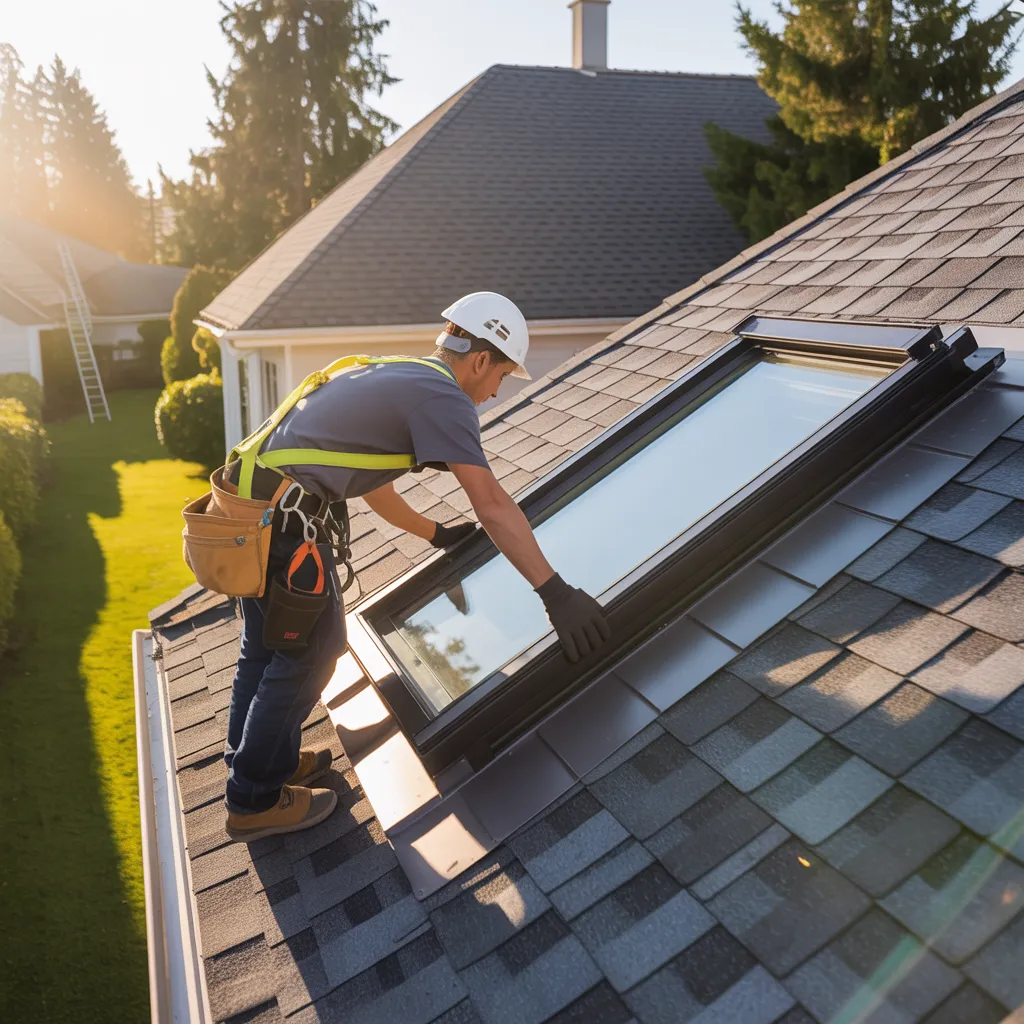
How Rooflights Increase Natural Light in Your Home
While many homeowners tend to overlook the significance of rooflights, these structural elements can significantly increase the level of natural light that flows into a living space. By strategically placing rooflights, homeowners can turn gloomy, restricted spaces into luminous, comfortable surroundings. In contrast to conventional windows, rooflights enable sunlight to enter from overhead, minimizing shadows and maximizing brightness throughout the day.
The size and design of rooflights can significantly affect light levels. Multiple or oversized rooflights can create a more open feel, while tubular rooflights can direct natural light into compact areas. Furthermore, rooflights can improve the overall ambiance, leaving interior spaces feeling more open and welcoming.
Furthermore, the application of premium glazing guarantees that the merits of natural light are fully realised while limiting heat loss. As a result, rooflights not only elevate the overall appearance but also contribute to a more agreeable and energy-conscious home environment.
Understanding the True Cost of Installing Rooflights: What to Anticipate
When considering the fitting of rooflights, homeowners commonly underestimate the related expenses, which can fluctuate substantially based on a number of variables. The initial expense typically covers the rooflight purchase price, workforce costs, and any required structural changes. According to the kind of rooflight—whether stationary, ventilated, or tubular—costs can range from a few hundred to several thousand dollars.
Additionally, the complexity of installation is a key factor; a basic installation on a level roof may be less expensive than one that requires major adjustments to a inclined roof. Homeowners should also account for necessary permits and inspections, which can raise the final price.
Fundamentally, comprehending these aspects empowers homeowners to manage costs wisely and arrive at knowledgeable choices about adding rooflights to their properties, guaranteeing they attain both visual and practical advantages without unexpected financial strain.

How Do Rooflights Improve Your Energy Efficiency?
Rooflights deliver significant benefits in terms of energy efficiency through improved natural light utilization and superior thermal insulation. By harnessing available daylight, they minimize reliance on artificial lighting, leading to lower energy consumption. Moreover, contemporary rooflights are engineered to preserve heat, helping to create a more consistent indoor environment and decreased costs associated with heating.
Advantages of Natural Light
The significant influence of natural light can significantly improve energy efficiency in homes. Skylights enable a generous amount of sunlight to flood living spaces, reducing the need for artificial lighting during daylight hours. This not only reduces energy consumption but also promotes a more appealing and enjoyable environment. By harnessing natural light, homeowners can achieve more luminous living spaces, which can positively impact mood and productivity. Furthermore, daylighting can assist in controlling indoor temperatures, reducing dependency on heating and cooling systems. Over time, such improvements can generate significant energy savings, making rooflights a smart investment for environmentally conscious homeowners. Overall, integrating rooflights to harness natural light is a practical approach to improving energy efficiency.
Insulation and Thermal Retention
Frequently underestimated, insulation and heat retention play essential roles in the energy efficiency of a home, and rooflights can greatly enhance these aspects. Today's rooflights are engineered with advanced glazing technology that reduces heat loss while optimizing natural light. This progressive design assists in maintaining a comfortable indoor temperature, reducing reliance on heating systems during colder months. Additionally, superior rooflights can eliminate overheating in warmer seasons by enabling efficient ventilation. When carefully positioned, they can establish a more regulated indoor environment, leading to lower energy bills. Property owners can experience the decorative benefits of natural light without sacrificing energy efficiency, making rooflights an intelligent choice for eco-friendly living. Overall, rooflights play a significant role in enhancing insulation and heat retention.
Dispelling Misconceptions About Rooflight Durability
How does one evaluate the durability of rooflights in light of common misconceptions? Many homeowners mistakenly believe that rooflights are weak and easily damaged. In reality, today's rooflights are manufactured using strong materials such as laminated glass and polycarbonate, engineered to resist severe weather conditions. These materials are thoroughly evaluated for durability and UV resistance, guaranteeing they preserve lasting structural integrity.
One other misconception is that rooflights necessitate constant renewal due to wear and tear. However, with proper installation and maintenance, rooflights can last for decades. Regular inspections and cleaning can prevent common issues, such as condensation or water ingress.
In addition, certain homeowners assume that rooflights automatically reduce thermal efficiency. Yet, with developments in glass technology, most modern rooflights deliver excellent thermal performance, boosting the overall conservation of energy. Being aware of these truths can enable homeowners to reach well-informed choices about the durability of rooflights.
Conquering Common Installation Hurdles
Navigating the intricacies of rooflight installation can pose substantial challenges for homeowners and contractors alike. A frequent concern involves ensuring proper structural support; insufficient reinforcement may result in leaks or structural failure. Homeowners are also required to manage local building codes and regulations, which can change considerably depending on the area. Non-compliance can lead to costly fines or the need for significant and costly changes.
One additional challenge concerns choosing the appropriate configurations and materials that align with current roofing structures. Installation misalignment has the potential to create thermal inefficiencies and increase the risk of water infiltration. Moreover, environmental conditions may delay installation timelines, making it vital to plan accordingly.
To overcome these challenges, working with skilled professionals is vital. They offer valuable expertise and ensure that the installation process meets safety standards and best practices. Proper planning and expert guidance can lead to a successful rooflight installation that enhances natural light while maintaining the integrity of the home.
How Rooflights Can Boost Your Home's Value
Installing rooflights considerably boosts a home's appearance and usability, ultimately increasing its market value. By enabling natural light to fill home spaces, rooflights create a welcoming atmosphere that can attract potential buyers. This increase in natural illumination often creates a sense of spaciousness, making rooms feel larger and more inviting.
Furthermore, rooflights support energy efficiency by lowering reliance pertinent information on artificial lighting during the day, which can lower electricity bills. Properties with energy-efficient elements are increasingly sought after, thereby elevating their value in the marketplace.
Furthermore, the distinctive aesthetic qualities that rooflights deliver can differentiate a property from competing properties. A well-placed rooflight not only adds visual appeal but also reflects current architectural styles, appealing to modern homebuyers. Ultimately, the incorporation of rooflights can be a worthwhile investment, boosting both design appeal and usability while elevating the property's total market value.
Frequently Asked Questions
Can Rooflights Be Installed in Any Type of Roofing?
Rooflights can be installed in a range of roofing types, including thatched, flat, and pitched roof styles. That said, particular installation approaches and materials may need to be adapted, necessitating expert evaluation to secure correct performance and visual harmony.
Are Rooflights Appropriate for Every Weather Condition?
Rooflights are commonly well-suited for various weather conditions, but their efficiency is determined by the design and materials used. Correct installation and regular maintenance are essential to guarantee they withstand extreme temperatures, heavy rain, and other environmental challenges.
In What Ways Do Rooflights Impact Indoor Temperature Throughout the Year?
Rooflights can greatly influence the temperature inside a building year-round. In summer, they may increase heat, whereas in winter, they assist in preserving heat. Effective insulation and appropriate shading are critical factors in maximizing temperature management and improving energy efficiency.
What Upkeep Do Rooflights Need Over Time?
Rooflights require consistent cleaning to stop debris buildup, periodic inspections for leaks or damage, and occasional resealing to maintain energy efficiency. In addition, property owners should confirm surrounding structures don't obstruct light or airflow over time.
Are Rooflights Compatible With Solar Panel Integration?
Rooflights are capable of being combined with solar panels, permitting natural illumination while collecting solar energy. This integration boosts energy efficiency and can offer substantial savings on energy bills for homeowners looking for eco-friendly alternatives.